
DID YOU KNOW SHIVA HAS A HOMETOWN? MEET UTTARAKOSAMANGAI MANGALANATHAR TEMPLE
Updated: Sep 9
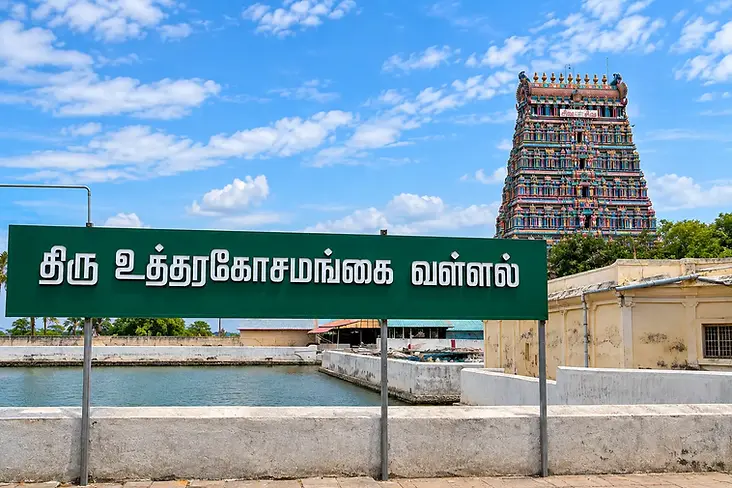
UTTARAKOSAMANGAI MANGALANATHAR TEMPLE
One of the oldest and most famous Shiva temples in Tamil Nadu is the Uttarakosamangai Mangalanathar Temple located in Ramanathapuram district . This temple is not just an inscription or an architectural marvel. It is a sacred place intertwined with the spiritual roots of the Tamils. Today, we will take a detailed look at this place, which is revered as the "hometown of Lord Shiva".
The Meaning of "UTTARAKOSAMANGAI"
The name of this town itself has a deep spiritual meaning. Uttaram means teaching; Kosam means secret; Mangai means Goddess Parvati. Since Lord Shiva taught the secrets of the scriptures to Goddess Parvati at this place, this town got the name "Uttarakosa Mangai". In other words, this is the holy land where the Lord bestowed His rare wisdom directly on the Goddess!
This is why this temple has many other special names like Dakshinakailayam, Adi Chidambaram, Brahmapuram, and Mangalapuri.
The identity of the Temple.

In this temple, Mangaleswarar is seen along with Mangaleswari Amman. It also has the distinction of being the place where the Thiruvasakam song was composed . The unique feature of this temple is that Lord Nataraja, in a five and a half feet high emerald Thirumeni, offers darshan throughout the year with sandalwood. Another rarity is that this is the only temple in the world where thalamus is offered to Lord Shiva every day. This is why it is believed to be the oldest Shiva temple in the world. Currently, the temple is maintained under the Ramanathapuram (Sethu) Samasthana Devasthanam.
Mythological History
"The first Shiva temple in the world is Uttarakosamangai," is the unshakable belief of the people here. This place is mentioned as the hometown of Lord Shiva in the Thiruvasakam by Manickavasagar.
"Praise to Lord Shiva, who belongs to the South; praise to the God of all peoples and lands."
The lyrics of this song, "Long live Lord Shiva of the South, and long live the one who is the Lord of all nations." The song expresses the deep belief that Lord Shiva, who originally belonged to the Tamils, later became a god worshipped all over the world. This is also the root of the mutual affection between the Tamils and Lord Shiva.
Thala Puranam – A story of hope and wonder
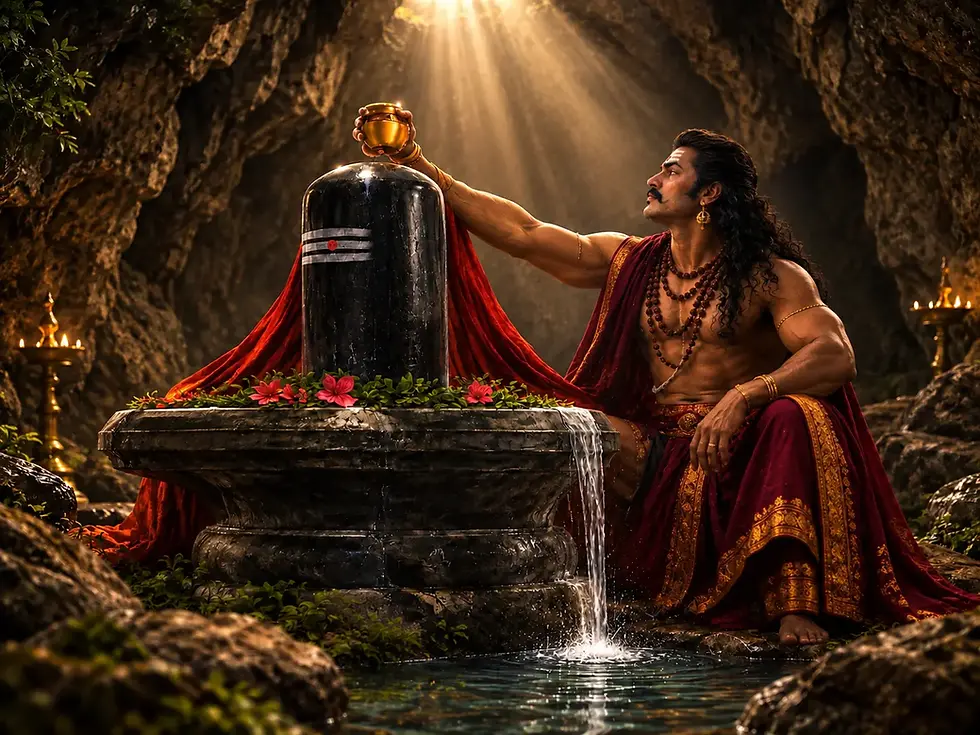
There is a legend surrounding this place. Mandodari, the wife of the Sri Lankan king Ravana, was eager to marry the man of her choice and wanted to perform severe penance. She wandered around in search of a suitable holy place and finally arrived at this Uttarakosamangai.
Mandodari worshipped the Mangalanatha deity who was present here with great devotion. She performed devotional prayers every day and prayed to the Lord for her wish. Pleased with her steadfast penance and pure devotion, Lord Shiva blessed her and granted her the boon of getting Ravana as her husband, as per her wish.
This story is not just a myth, but also conveys a profound message to the devotees that "God will bless you if you pray with true devotion and without losing heart." This is why many people who come to this temple even today worship here with prayers related to their life partner.
In addition, as mentioned earlier, the fact that this place is praised as the "hometown" of Lord Shiva in the Thiruvasaka hymns composed by Manikkavasagar further strengthens the mythological glory of this temple. On the one hand, the Lord who has Tamil Nadu as his own land, on the other hand, the merciful God who grants the heartfelt prayers of a devotee. These two aspects make Uttarakosamangai a unique spiritual destination.
Location
It is located about 10 km west of Ramanathapuram on the Madurai-Mandapam road.
This temple can be reached by traveling about 32 km east from Paramakudi.
Destination and special features
The fact that the Thiruvasakam mentions Shiva in this village temple in 38 places indicates its greatness. However, it is noteworthy that the Thevaram hymns do not sing about this temple.
The sacred tree (Thala Virutcham) of this temple is the jujube tree (Ilanthai). Believed to be around 3,000 years old, it is thought that the word 'Ilanthai' evolved from the corrupted form of the word 'Ilavanthigai'. Based on this, historical researchers believe that the 'Ilavanthigai palli' of the Sangam era is what is known today as Uttarakosamangai.
One of the unique features of this temple is that even the non-worshipable flower of the lotus flower is offered to Lord Shiva here. There is also a myth that Mandodari worshipped this Lord and got Ravana as her husband.
Temple structure

Main shrines: Mangalanathar Swami, Mangaleshwari Amman
Sub-temples: Nataraja, Swayambhu Lingam, Bhairava, Dakshinamoorthy, Chandikeswara, Balabhairava
Theerthas: Agni Theertha pond inside the temple; Brahma Theertha pond outside the temple
Towers: A total of five towers, including the seven-tiered Royal Tower
As you enter the inner courtyard, you will see beautifully sculpted statues. The special thing about the two of them is that they have a stone ball in their mouths. You can even put your hand in and see the ball move! This sculptural technique will amaze the visitors.
Although this temple is classified as a primary temple and is under the control of the Hindu Endowments Department, it is managed by traditional trustees.
Poojas and festivals
Worship is conducted in this temple according to the Karanakama system . The main festivals are:
Chithirai month: Thirukalyanam (8th day), Theravada festival (9th day), Chithirai chariot parade
Margazhi Month: Aruthra Darshanam (Thiruvathirai) — On this one day only, the sandalwood covering of Nataraja is completely removed and special night-time bathing ceremonies are held.
Darshanam time
Devotees can worship at this temple daily from 6 am to 12 pm and from 4 pm to 8 pm .
FAQs
Where is Uttarakosamangai Mangalanathar Temple located?
Uttarakosamangai Mangalanathar Temple is located in Uttarakosamangai near Ramanathapuram in Tamil Nadu.
What is Uttarakosamangai Temple famous for?
The temple is famous for its ancient Shiva worship, beautiful architecture, sacred traditions, and the historic Maragatha Nataraja idol.
Why is Uttarakosamangai called Shiva's hometown?
Uttarakosamangai is traditionally associated with Lord Shiva and is revered as one of the important ancient Shiva pilgrimage sites in Tamil Nadu.
What is special about the Maragatha Nataraja idol?
The temple is renowned for its Maragatha Nataraja, a sacred emerald-coloured image of Lord Nataraja that is traditionally covered with sandalwood paste for much of the year.
Why are the pillars of Uttarakosamangai Temple famous?
The temple pillars are admired for their detailed stone carvings and traditional craftsmanship.
What is a Chola style bronze idol?
A Chola style bronze idol is a traditionally crafted bronze sculpture inspired by the artistic style of the Chola period in South India.
What is special about a Chola style Nataraja bronze idol?
A Chola style Nataraja idol beautifully represents Lord Shiva's cosmic dance through its dynamic posture and detailed sculptural elements.
Can Chola style bronze idols be custom-made?
Yes, they can be custom-made according to the desired deity, size, posture, and traditional design.
Where can I find Chola style bronze idols in Chennai?
Chennai has several traditional idol and handicraft sellers offering Chola-inspired bronze idols for homes, temples, and collections.
How can I identify a well-crafted Chola style bronze idol?
Look for balanced proportions, clear facial and ornamental details, graceful posture, clean casting, and consistent finishing.
What makes Uttarakosamangai different from other Shiva temples?
Its ancient heritage, distinctive stone architecture, Nataraja tradition, and sacred Maragatha Nataraja make Uttarakosamangai particularly notable.
Why should I visit Uttarakosamangai Mangalanathar Temple?
Uttarakosamangai offers devotees a chance to experience ancient Shiva worship, remarkable temple architecture, and the unique tradition surrounding its sacred Nataraja image.
Comments